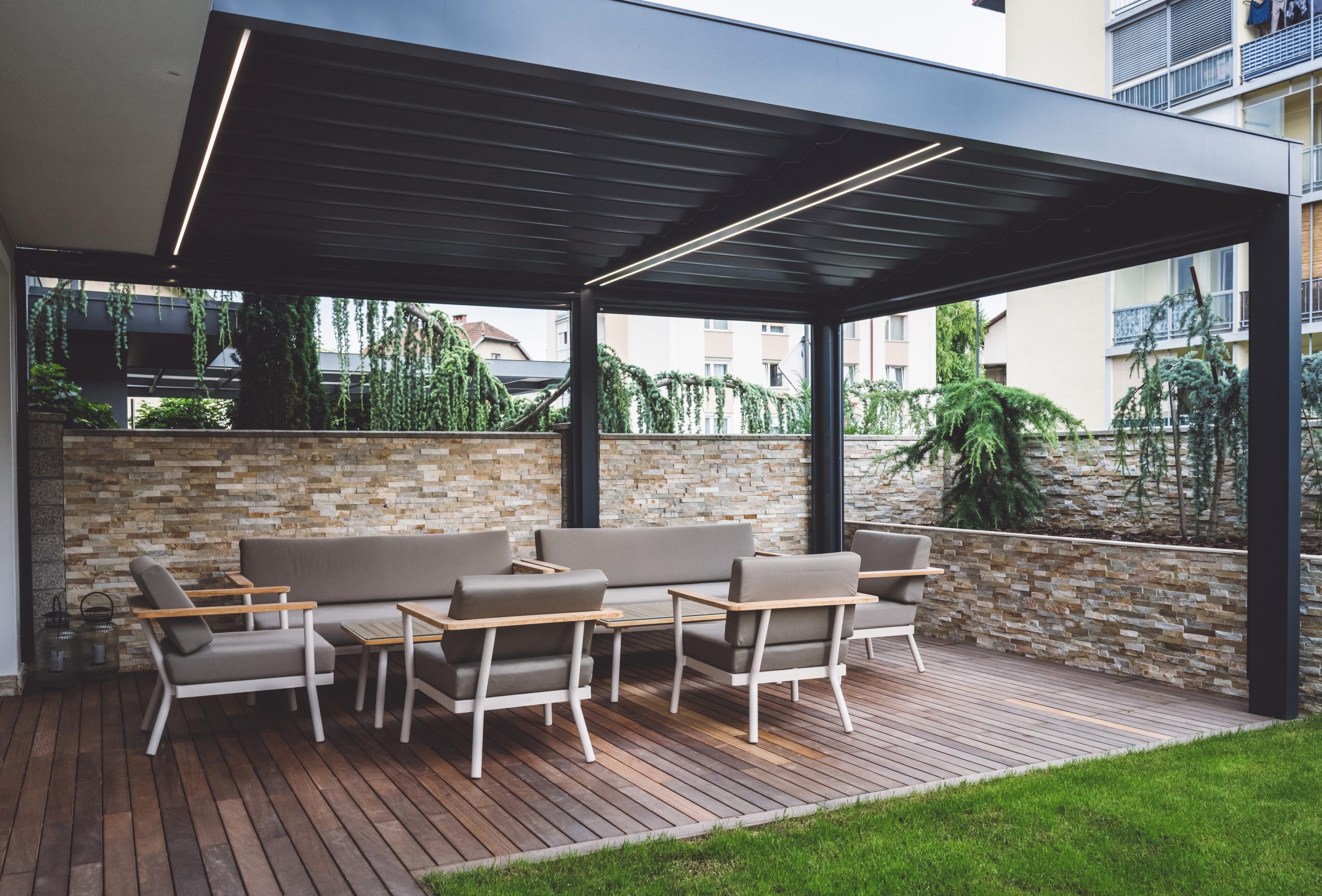
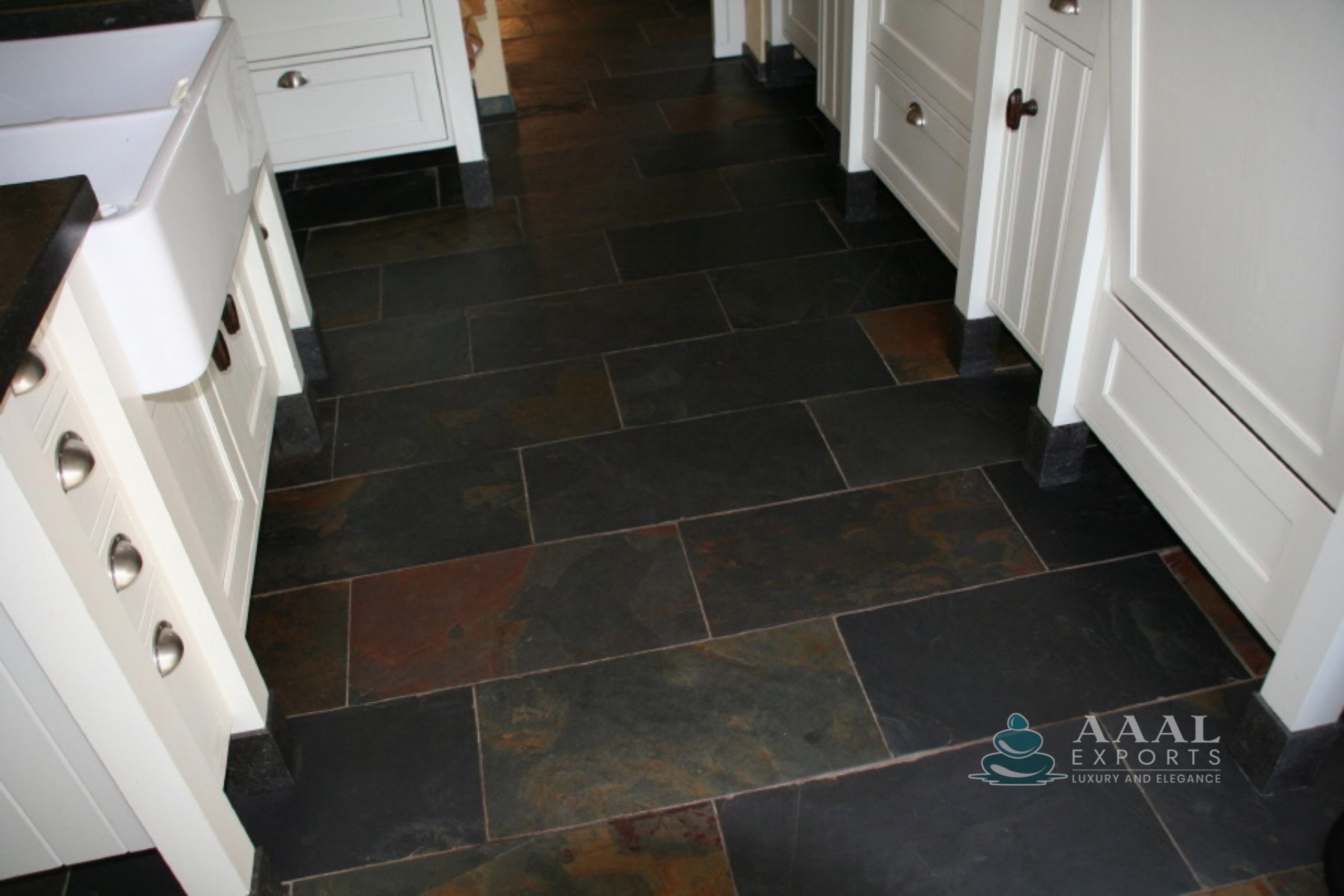
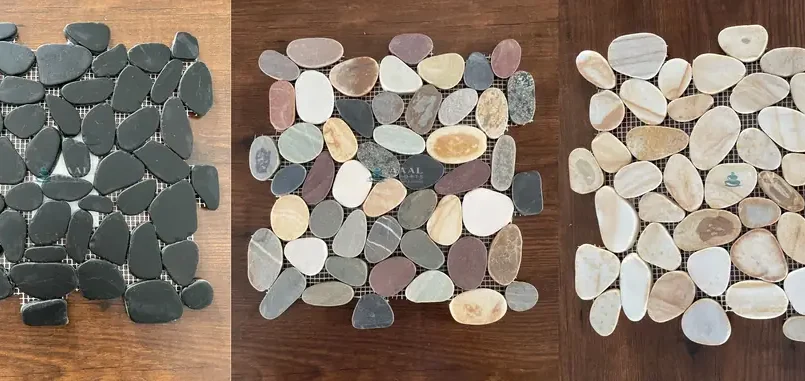
Slate is a fine-grained metamorphic stone formed from clay mud and composed of sediments of decomposed stone and organic matter that has been hardened by heat and pressure. Since the geological process varies greatly, slates range quite a bit in hardness and porosity. Slate characteristics vary with the source. It may be black, green or mottled and is relatively dense. Many imported slates are available today with wide-ranging physical characteristics and overall suitability. The stone differs in density, tensile strength, absorbency and abrasion resistance.
Physical Properties
Composition: Muscovite, chlorite, kaolinite, micas, quartz and other accessory minerals (wide variation in composition).
Hardness: Soft – easily scratched, though some varieties can be as hard and dense as granite.
Absorption: Low to medium for oil, water and other liquids.
Weathering characteristics: Because slate varies so widely, its weathering characteristics also vary widely. Cleft planes allow water to penetrate, resulting in spalling and flaking. Slates with a high kaolinite (clay) content deteriorate at an accelerated rate in wet environments.
Tendencies: Absorbs oils and liquids; softer and medium varieties scratch easily.
Colors: Vary widely.
Finish: Different finishes such as acrylic, wax, natural cleft and honed. Some types may be flamed.
Slate Stone Chemical Properties
Slate stone is chemically a multi-mineral rock made of an aggregate of minerals and colloidal substances. Its essential mineral composition includes members of the mica group, commonly sericite and muscovite, and of the clay group, commonly paragonite, chlorite and kaolinite. The accessory minerals are oxides, calcites and minor amounts of quartz and feldspar, along with subordinate amounts of ferro-magnesian minerals. Free silica content is normally low. It is resistant to acids and staining.